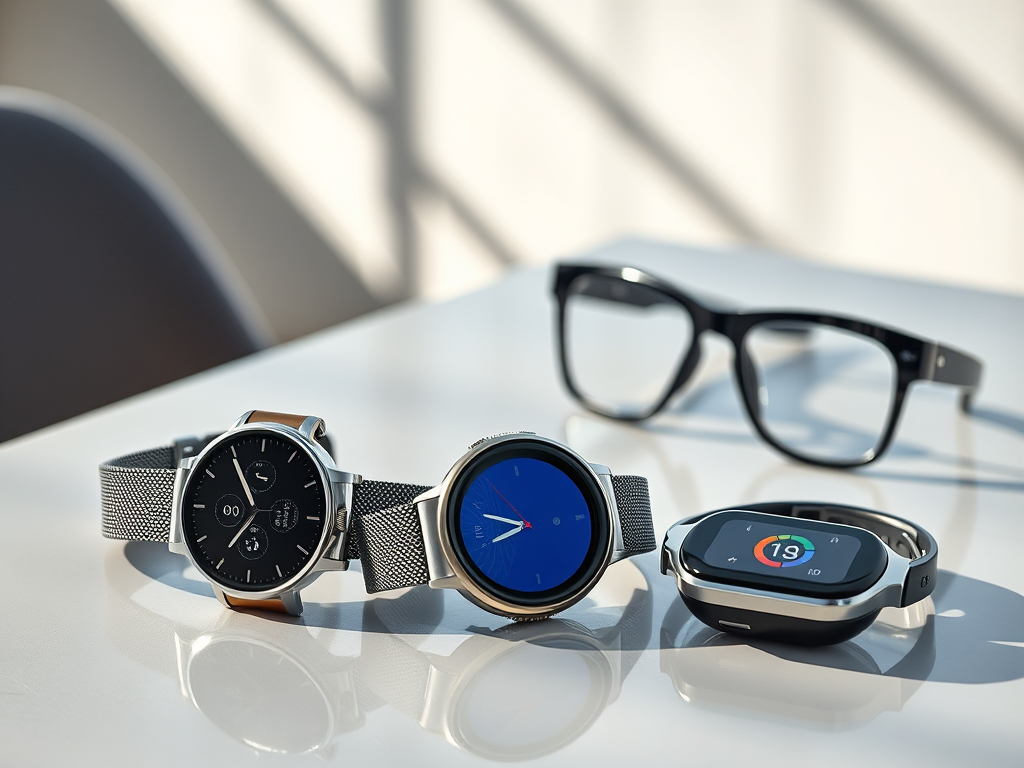
Wearable technology has become a cornerstone of modern life, offering everything from fitness tracking to health monitoring, communication, and even fashion. Whether it’s a smartwatch that keeps you connected, a fitness tracker that monitors your health, or smart glasses with augmented reality features, wearables are everywhere. But with the growing popularity of these gadgets comes an overwhelming number of deals and promotions, each promising the best value for your money.
Before you jump on the latest “deal” for a wearable device, it’s crucial to take a moment and carefully view your deal to make sure it meets your needs, offers genuine value, and doesn’t have any hidden surprises. Here’s how you can make smarter decisions when assessing wearable tech deals.
1. Understand What You Need from Your Wearable
The first step in evaluating a wearable deal is understanding what you actually need the device to do. Wearables come in a wide variety of types, each designed for different purposes. Some are more focused on health and fitness, while others prioritize communication, productivity, or even entertainment.
- Fitness tracking: If you’re looking for a fitness tracker, you’ll want a device with accurate step counting, heart rate monitoring, and possibly even GPS for outdoor activities.
- Smartwatches: A smartwatch might be your choice if you’re seeking a wearable that can integrate seamlessly with your smartphone, enabling notifications, music control, and even payment features.
- Specialized wearables: Some wearables, like smart glasses or even smart rings, offer unique features like augmented reality (AR) or specialized health tracking.
By clarifying your needs, you can more easily narrow down your options and make sure the deal you’re considering matches your requirements.
2. Research the Brand and Model
When a deal sounds too good to be true, it often is. Some lesser-known brands may offer wearables at deeply discounted prices, but these deals might come with drawbacks like lower quality, poor customer support, or outdated technology.
Before committing, take the time to research the brand and model of the wearable you’re eyeing. Look for:
- User reviews: Check out customer feedback on popular platforms like Amazon, Best Buy, or tech-specific sites. Pay attention to recurring complaints about battery life, functionality, or durability.
- Expert reviews: Tech websites and blogs often review wearables in depth, highlighting the pros and cons of different models.
- Comparison with competitors: Compare the wearable with similar devices in the same price range. Does the deal offer a truly superior product, or are you settling for a subpar option?
3. Check the Terms of the Deal
Once you’ve found a wearable that fits your needs, it’s time to take a closer look at the deal itself. As with any product purchase, it’s important to read the fine print. Some deals come with conditions that may affect your overall satisfaction, such as:
- Return policies: Some wearables, especially those purchased on discount or through third-party sellers, may not be returnable. Make sure you’re aware of the return window and conditions.
- Warranty: Wearables are often subjected to wear and tear, so check if the deal includes a warranty for repairs or replacements. Some devices may have a limited warranty period, while others offer extended coverage for an additional fee.
- Subscription services: Many wearable devices require a companion app or subscription to access premium features, such as advanced fitness tracking, cloud storage, or health data analysis. Ensure that the deal you’re getting doesn’t involve hidden subscription costs.
4. Evaluate the Price and Value
Price is often the most significant factor when assessing a deal, but a good price doesn’t always equate to good value. When considering a deal for a wearable, it’s important to evaluate the price in relation to what you’re actually getting.
- Price comparison: Check if the price you’re paying is competitive. While deals may be discounted from the original price, it’s worth comparing prices across different platforms (like Amazon, the manufacturer’s website, or brick-and-mortar stores).
- Included features: Ensure that the wearable comes with the features you need. A deal might seem appealing if the wearable is discounted, but if it lacks essential features or functionality, it may not be worth the investment.
- Longevity: Technology evolves quickly, and wearables are no exception. Will the wearable still perform well over time, or will it be obsolete within a year? Check whether the device is supported by software updates, especially for models that run on proprietary operating systems like Fitbit OS or Wear OS.
5. Battery Life and Charging Options
Battery life is a crucial factor when it comes to wearables. No one wants to spend more time charging their device than actually using it. Check the following before making a purchase:
- Battery lifespan: Does the wearable last for a full day or longer on a single charge? Fitness trackers generally have longer battery life than smartwatches due to their simpler functionality.
- Charging speed and convenience: Does the device offer fast charging, or will you need to wait hours to recharge it? Additionally, consider the charging method (e.g., proprietary charging cables vs. standard USB-C) and whether it fits into your lifestyle.
6. Customer Support and After-Sales Service
Wearable technology is not without its issues. Devices can malfunction, require software updates, or need troubleshooting. Before committing to a deal, it’s important to understand the brand’s customer support and after-sales service:
- Customer service accessibility: Is the company easy to contact in case you need assistance? Look for brands that offer multiple ways to reach support (e.g., phone, email, live chat).
- Repair services: If your wearable breaks or needs repairs, check if the company has a repair center or offers a simple return process for faulty products.
7. Be Wary of Too-Good-to-Be-True Deals
Finally, if a deal sounds too good to be true, it might be. Be cautious of extremely discounted wearables from unfamiliar brands, as they may be counterfeit or subpar in quality. If the deal seems too perfect and the seller is not reputable, it might be better to skip it. Stick to trusted retailers and manufacturers to avoid getting caught in a scam.
Conclusion
In the world of wearables, the right deal is more than just a low price—it’s about finding a device that fits your needs, offers great value, and comes with solid customer support. By understanding the product, checking the deal’s terms, and evaluating the price, you can make an informed decision and ensure your wearable purchase is a smart one. So, the next time you see a “deal” on a wearable, take a step back, view your deal carefully, and make sure it’s the right fit for you.
About the Author